UK Government Advances Consultation on Unlicensed Gambling Sponsorships for Sports Teams
Amir Lange · Jul 14, 2026

UK Government Advances Consultation on Unlicensed Gambling Sponsorships for Sports Teams
The UK government plans to launch a consultation this week focused on banning unlicensed gambling operators from sponsoring British sports teams, a step that directly addresses ongoing criticism about regulatory delays, and this initiative follows specific high-profile agreements such as Everton FC’s three-year sleeve sponsorship with the crypto casino Stake.com while letters from industry figures have pressed for quicker measures to seal existing loopholes.
Reports indicate the consultation will examine how to restrict promotions by operators that lack proper licensing within the UK market, and this comes amid warnings issued to football clubs about the risks of promoting such entities in public-facing partnerships.
Details of the Planned Consultation Process
Officials have scheduled the consultation to begin within days of the July 2026 announcement, with the process designed to gather input from sports organizations, gambling firms, and regulatory bodies on proposed restrictions that would prevent unlicensed entities from gaining visibility through team sponsorships, and the framework aims to close pathways that currently allow operators based outside UK jurisdiction to secure deals without facing immediate enforcement.
Stakeholders note that the consultation will review existing sponsorship agreements and explore mechanisms for enforcement, while the timeline targets implementation following public feedback periods that typically span several weeks in similar regulatory reviews.
Background on the Everton FC and Stake.com Agreement
Everton FC entered a three-year sleeve sponsorship arrangement with Stake.com that drew attention because the operator holds no UK license, and this deal highlighted how current rules permitted such partnerships to proceed even as broader reforms to gambling advertising took shape, yet the arrangement remained active until external pressure mounted.
Club officials confirmed the contract terms extended through multiple seasons, which allowed the crypto casino branding to appear on player kits during matches broadcast to wide audiences, and this visibility raised questions about oversight gaps that the upcoming consultation seeks to address through clearer prohibitions.
Warnings Issued and Industry Correspondence
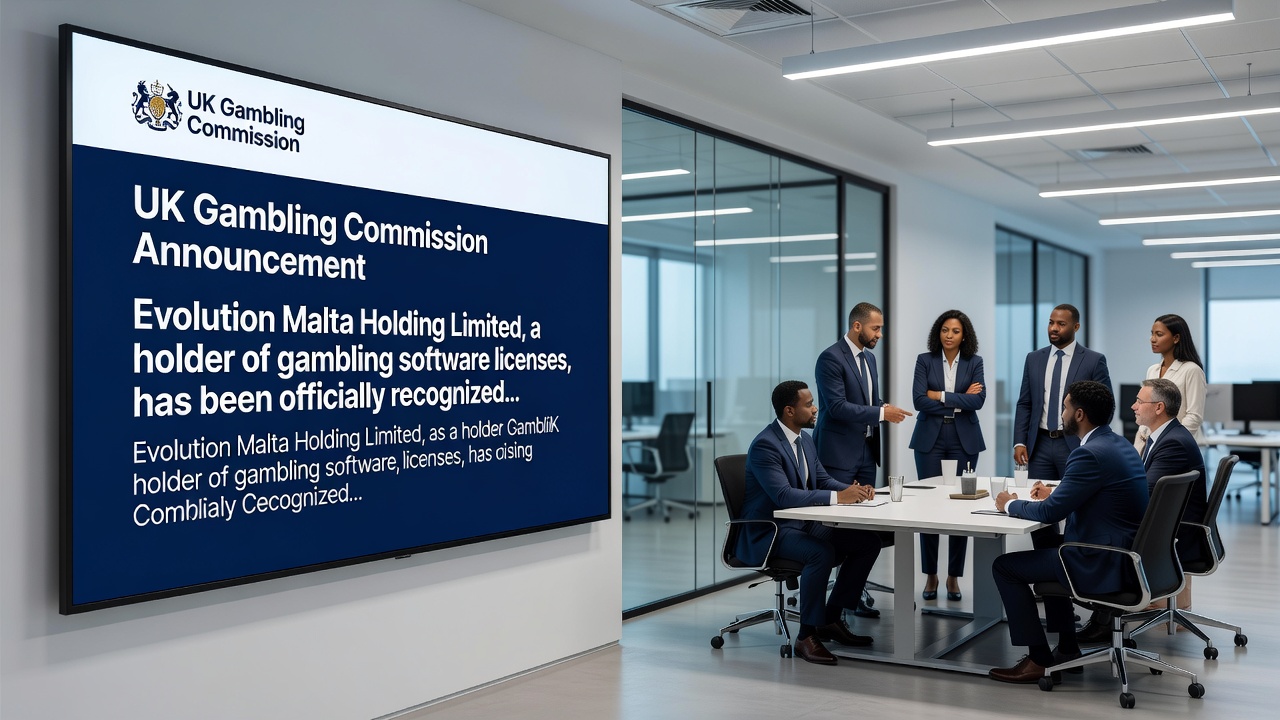
The Gambling Commission had previously alerted clubs to the implications of promoting unlicensed operators, and this guidance preceded formal letters sent by industry representatives who urged authorities to accelerate action on sponsorship loopholes, while multiple signatories emphasized the need for coordinated steps across sports leagues.
Those communications outlined specific examples where unlicensed promotions continued despite available regulatory tools, and they called for consultations that would produce binding guidelines rather than advisory notices alone.
Correspondence also referenced parallel developments in other jurisdictions, such as measures adopted by the Australian Communications and Media Authority to limit offshore gambling promotions in sports, and these comparisons provided context for UK policymakers evaluating similar controls.
Scope and Expected Outcomes of the Review
The consultation document will outline options for defining unlicensed operators within sponsorship contexts, and it will consider how enforcement might apply to both direct deals and indirect promotions that reach British audiences through digital platforms, while feedback from sports governing bodies is expected to shape final proposals.
Analysts from organizations like the European Gaming and Betting Association have tracked comparable policy shifts across member states, and their reports indicate that targeted sponsorship bans often lead to measurable reductions in exposure for non-compliant operators within two years of enactment.
Implementation could involve updates to advertising codes that currently focus on licensed entities, extending those standards to exclude offshore operators entirely from team partnerships, and this approach would align with broader efforts to maintain consumer protections across the gambling sector.
Reactions from Sports and Regulatory Sectors
Football clubs have begun internal reviews of existing sponsorship portfolios in anticipation of the consultation outcomes, and several have signaled willingness to transition to licensed partners once new rules take effect, while league representatives have requested clarity on transition periods to avoid abrupt contract disruptions.
Letters from industry figures stressed the importance of uniform application across all sports, and they highlighted how inconsistent enforcement could disadvantage teams that comply early versus those that delay adjustments, yet the consultation process itself is intended to establish consistent criteria before any mandates activate.
Conclusion
The planned consultation marks a targeted response to specific sponsorship arrangements that operated under existing regulatory conditions, and its launch this week in July 2026 will open a structured period for input that could lead to updated rules on unlicensed operator visibility in British sports, while the process builds on prior warnings and correspondence urging more rapid closure of identified gaps.