UK Gambling Commission Eyes Fee Increases: DCMS Unveils Consultation with Three Key Options
Iris Schmidt · Mar 20, 2026

UK Gambling Commission Eyes Fee Increases: DCMS Unveils Consultation with Three Key Options
The Launch of the Consultation
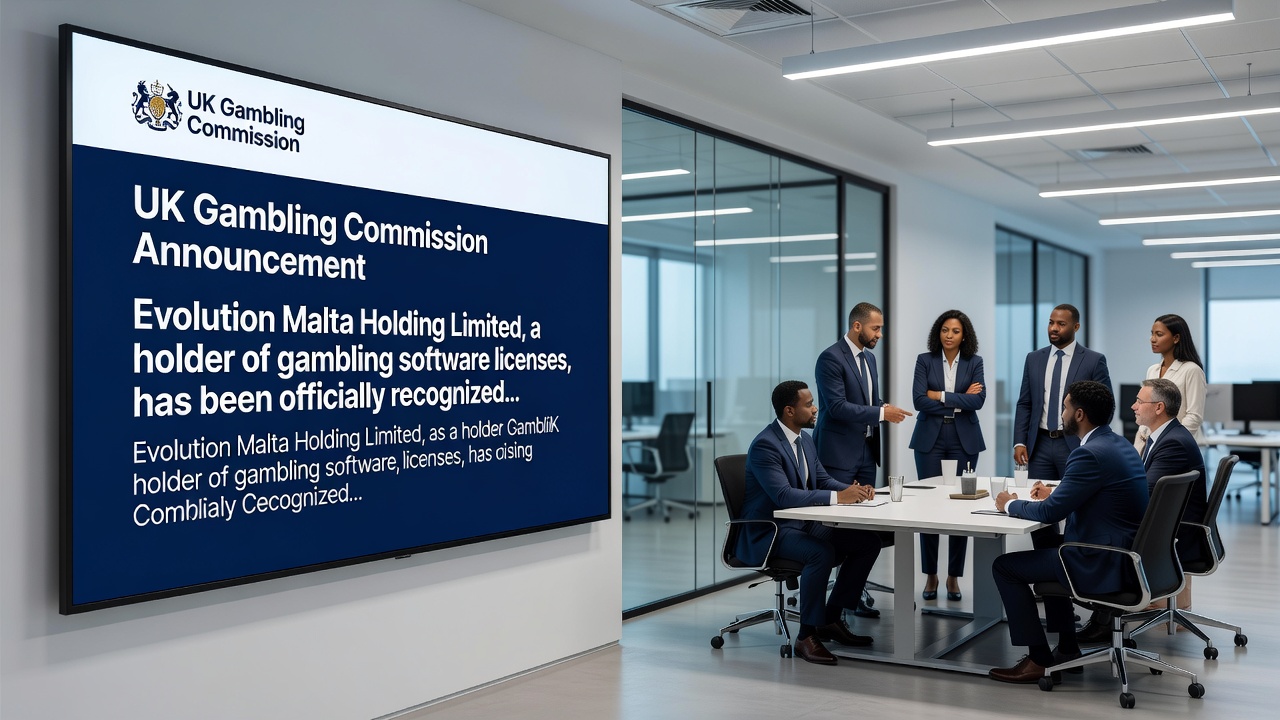
The Department for Culture, Media and Sport (DCMS) has kicked off a public consultation through the Gambling Commission, proposing hikes to operator fees that could reshape funding for gambling regulation in the UK; this move comes as operational costs climb and new duties pile on, particularly efforts to tackle the illegal gambling market. Licensed operators across sectors like casinos, online platforms, and betting shops now face these potential changes, since the Commission relies almost entirely on fees rather than taxpayer money to cover its work. What's interesting is how this consultation, launched in March 2026, lays out three distinct options, each aiming to generate extra revenue without overhauling the entire model.
Observers note that the Gambling Commission has long operated on a self-funding basis, collecting fees from those it licenses and regulates, but rising expenses—from staff salaries to tech upgrades—and fresh mandates have created shortfalls; data from the consultation documents reveal an average fee increase becomes necessary to bridge gaps estimated in the millions. And while the proposals target all licensed entities equally in principle, casinos and larger operators might feel the pinch more due to their scale, although smaller venues aren't exempt either.
Breaking Down the Three Fee Increase Options
Option one calls for a straightforward 30% average increase across the board, projected to bring in an additional £8.7 million annually; this approach spreads the burden evenly but hits harder on operators with higher baseline fees, making it a blunt tool for rapid funding boosts. The second option dials it back to a 20% general rise, offering a milder adjustment that still addresses core shortfalls, yet leaves less room for targeted initiatives like cracking down on illicit betting networks.
But here's the thing: the preferred hybrid model combines a 20% general increase with a further 10% ringfenced specifically for disrupting the illegal gambling market, creating a two-tier structure where part of the fees funnels directly into enforcement against unlicensed operators; figures in the consultation show this hybrid could balance everyday operations with proactive policing, something experts who've studied regulatory funding have long advocated for in reports on black market growth. Take one case from recent years where illegal sites siphoned revenue from licensed platforms—such measures aim to level that playing field without burdening operators excessively.
Each option comes with detailed breakdowns by operator type, ensuring transparency; for instance, casinos might see fees tied to gross gambling yield climb proportionally, while remote operators face adjustments based on duty points, all calibrated to reflect the Commission's evolving workload.
Why These Changes Matter for Licensed Operators
Licensed gambling operators, from land-based casinos to digital platforms, shoulder the Commission's entire budget through these fees, so any uptick directly impacts their bottom lines; studies of past adjustments show operators often pass costs to consumers via tighter margins or adjusted odds, although competition keeps that in check. The reality is that new regulatory duties—like enhanced affordability checks and anti-money laundering protocols—have expanded the Commission's remit, driving up costs faster than fees have kept pace since the last major review.
Now, combating the illegal market adds another layer, with data indicating unlicensed sites now capture a notable slice of UK gambling activity; according to Deadline News coverage of the announcement, this hybrid option earmarks funds precisely for intelligence gathering and international cooperation, tools that licensed firms support indirectly since a thriving black market erodes their legitimacy. People who've navigated previous fee hikes often point out that while short-term pain exists, long-term stability benefits everyone by weeding out rogue players.
Casinos, in particular, face fees structured around venue size and machine numbers, so a 20-30% jump could mean recalibrating budgets amid post-pandemic recovery; yet operators familiar with the system know the Commission's fee calculator already factors in such variables, providing predictability even as percentages rise.
Timeline and How Stakeholders Can Respond
Changes, if approved, won't hit until October 1, 2026, giving operators over a year to prepare; the consultation runs through mid-2026, inviting feedback from industry bodies, trade associations, and individual licensees on which option best fits without stifling growth. Respondents can submit via the official portal, where detailed impact assessments outline projected revenue by sector—remote gambling might contribute the lion's share due to its scale, followed by non-remote like casinos.
That's where the rubber meets the road for many: trade groups such as the Betting and Gaming Council have historically weighed in on these matters, advocating for proportionality; past consultations led to tweaks that softened initial proposals, so engagement could sway the final model toward the hybrid preference. And since the Commission publishes responses summaries post-closure, transparency remains a cornerstone, helping operators anticipate shifts.
Broader Context of Gambling Regulation Funding
The Gambling Commission, established under the Gambling Act 2005, has always leaned on operator fees for 100% of its funding—unlike other regulators drawing from general taxation—which underscores why these proposals feel urgent; operational costs rose 15-20% in recent years due to inflation and cyber threats, while duties from the 2023 White Paper added layers like stake limits and player protections. Figures reveal the illegal market's expansion, fueled by crypto and overseas servers, now demands dedicated resources that general fees alone can't cover sustainably.
So, experts who've tracked this space observe how ringfencing 10% in the hybrid option mirrors trends in other sectors, like financial services where levies fund specific crackdowns; one study highlighted that for every £1 invested in enforcement, licensed markets gain £3-5 in redirected activity, a return that operators quietly appreciate. Casinos, dealing with high fixed costs, might lobby for phased rollouts, but the consultation's structure allows such nuances to surface.
It's noteworthy that no exemptions appear for smaller operators, although tiered structures within each option soften blows based on activity levels; this keeps the system equitable, ensuring even modest venues contribute to the shared regulatory umbrella.
Conclusion
The DCMS consultation on Gambling Commission fees presents operators with clear choices—a 30% hike for maximum funding, a 20% baseline, or the hybrid blending both with illegal market focus—each set to potentially launch October 1, 2026, after public input; data underscores the need amid cost pressures and enforcement gaps, positioning this as a pivotal moment for UK gambling's self-funded model. Stakeholders now hold the ball in their court to shape outcomes through responses, with the Commission's fee-driven ethos continuing to evolve in response to market realities. As March 2026 developments unfold, licensed sectors from casinos onward prepare for adjustments that promise stronger oversight without upending operations entirely.